What Is a Fulfillment Center?
A fulfillment center stores stock and processes customer orders through picking, packing, and dispatch. A storage-only warehouse may not perform those order-level tasks. When comparing providers, ask which activities are included and which require a separate service agreement.
For a China-based operation, also check how goods arrive from your suppliers and which shipping services can carry your products to each destination. A warehouse address alone does not establish those capabilities.
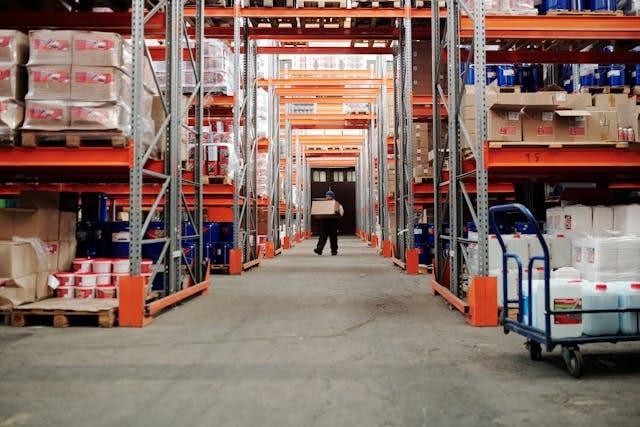
1. Warehousing and Storage Solutions
Ask for the storage terms in writing. If a proposal includes free storage, confirm which goods qualify, when the free period starts, how long it lasts, and what happens afterward. Check minimum monthly charges and any higher rates for aging inventory.
The billing unit matters: a bin, pallet, cubic meter, and individual item are different measures. Give each candidate the same stock quantities, dimensions, and expected storage days so the quotes can be compared.
Request a sample inventory report showing SKU, location, received quantity, available quantity, reserved stock, and damaged or held goods. Confirm how quickly warehouse changes reach your store and who resolves a discrepancy. Verify the claimed update speed with a test order and stock adjustment.
2. Order Fulfillment and Processing
Check how an order becomes ready for dispatch: the provider needs the correct SKU, available stock, an accepted address, and your packing instructions. Agree on the cutoff time and how orders with missing information or unavailable stock are held.
To understand what an order fulfillment service covers, read our process overview. Use that process to identify the work included in each candidate’s proposal.
3. Custom Packaging and Labeling
Provide an approved packing sample or specification before asking for branded packaging. Include box or mailer dimensions, protective materials, insert placement, label content, and any rules for combining products.
Ask the provider to pack a sample order and supply photos for approval. Confirm who buys and stores the materials, how versions are controlled, and what happens if the wrong packaging or label is used. Check the packed dimensions again when comparing shipping quotes.
When Does a China Fulfillment Center Make Sense?
Compare the inventory model before comparing warehouse names. China direct shipping can avoid holding separate stock in every destination, but you still need to account for inventory in China, international delivery, and returns.
1) Compare Where You Hold Inventory
| Model | Worth evaluating when | Tradeoff to price and test |
|---|---|---|
| China direct shipping | You source in China, sell across several markets, and customers can accept the verified cross-border delivery window. | Parcel shipping cost, product restrictions, customs handling, and the cost of returns or replacements. |
| Stock in the destination country | Demand is concentrated in a market and local delivery or local returns are important. | Bulk replenishment, destination storage, local fulfillment, and unsold stock committed to that market. |
| Hybrid inventory | Some SKUs have predictable local demand while others are still being tested or sell across many countries. | Stock allocation, replenishment, routing rules, and split shipments when an order spans locations. |
These are starting points for comparison. Use your actual order mix to decide; there is no single order-volume threshold that makes one model the best choice.
2) Consider Access to Your Suppliers
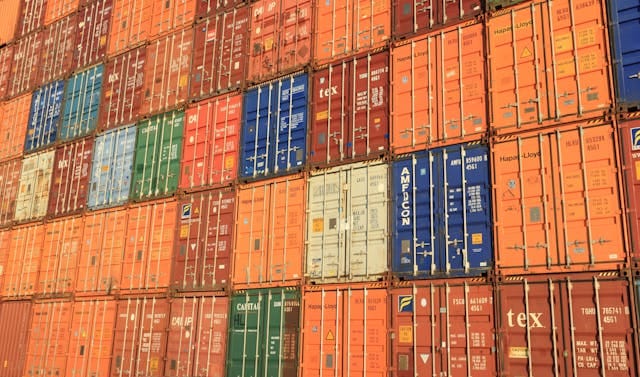
A China warehouse can receive goods from several Chinese suppliers before orders are packed for customers. Confirm the pickup area, delivery appointments, and how the warehouse identifies each supplier’s cartons. Being closer to a factory does not establish how quickly an overseas customer will receive an order.
3) Compare the Complete Delivery Cost
Separate warehouse handling from international transport, customs-related charges, and final delivery. Check which charges are included in the shipping quote and which may be billed later. Avoid counting the same included charge twice.
Compare the same products, packed dimensions, destinations, and delivery requirements. A low parcel rate may not be the lowest total cost once storage, packaging, surcharges, and returns are included. Ask for a route-specific delivery estimate with its starting point and exclusions.
4) Scalability and Flexibility
Ask how much capacity the provider can allocate to your orders on an ordinary day and during your expected peak. Request evidence for comparable products, including backlog, dispatch performance, and the period measured. A network-wide package total does not tell you what your warehouse can handle.
Agree on advance notice for promotions, peak surcharges, staffing arrangements, and what happens when volume exceeds the agreed forecast. Check whether custom packaging or multi-item orders change the capacity estimate.
5) Access to Value-Added Services
List the extra work your products need, such as kitting, relabeling, product photos, or return inspection. For each task, request the specification, approval sample, fee, completion time, and person responsible for correcting errors.
For returns, confirm the receiving country and address, inspection criteria, and the choices available afterward: restocking, replacement, consolidation, or disposal. Do not assume that a China warehouse includes a local returns service in every market.
What Fulfillment Services Should You Expect?
For stores selling through Amazon, eBay, Shopify, or other channels, verify the actual connection offered for your account and workflow. Ask the provider to demonstrate order import, SKU mapping, inventory updates, cancellations, and tracking updates. A platform logo on a service page is not an integration test.
Confirm the scope of picking and packing: what the base fee includes, how additional items are charged, and which checks happen before a parcel leaves the warehouse. Request a named contact and an escalation route for stalled orders.
1. China Order Fulfillment and Shipping Solutions
Give the provider a representative order and ask it to show the proposed shipping service, packed weight and dimensions, packaging instructions, and dispatch cutoff. Confirm who handles address errors, unavailable routes, and products the carrier will not accept.
Keep order processing time separate from carrier transit time. A label created in the warehouse does not by itself demonstrate that the carrier has collected the parcel.
2. Inventory Distribution and Placement
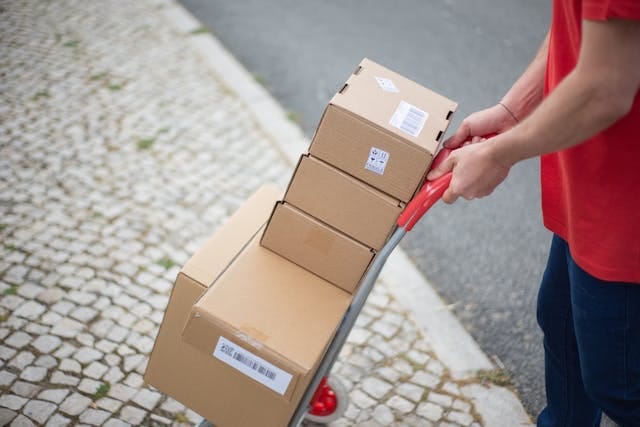
Map inventory by SKU and destination before choosing warehouse locations. Identify which orders will leave China and which will use stock already available in the destination country. For hybrid inventory, decide what happens when an order contains items held in different warehouses.
For a US-focused comparison, review the transport options for shipping from China to the USA. Use current quotes for your products and ZIP codes to compare direct parcels with bulk replenishment followed by domestic delivery.
3. Check What a Two-Day Delivery Offer Actually Covers
Before advertising two-day delivery, confirm the origin warehouse, eligible destination ZIP codes, available inventory, order cutoff, and named carrier service. Ask whether the promise covers business days or calendar days and whether warehouse processing is included.
For example, FedEx’s US two-day service information describes second-business-day delivery and service-area conditions. That domestic offer does not establish a two-day delivery time from China.
Request delivery evidence for the destinations you actually serve. Do not assume a single warehouse provides the same transit time to every address, or that a fast domestic service removes the time needed to replenish stock from China.
Finding Your Ideal Ecommerce Fulfillment Services

Give every candidate the same brief. This makes it easier to spot a proposal based on assumptions that do not match your business.
1. Research with a One-Page Business Brief
| Information to supply | What to include |
|---|---|
| Products and suppliers | SKU list, variants, dimensions, weights, special handling needs, and supplier locations in China. |
| Orders | A representative month’s orders, normal and peak daily volume, items per order, and bundles. |
| Destinations | Country mix and destination postal codes, with the delivery promise for each service tier. |
| Inventory | Planned stock by SKU, replenishment frequency, and expected storage days. |
| Packaging and returns | Approved packaging requirements, inserts, return destinations, and inspection needs. |
| Systems and support | Sales channels, required integrations, reporting needs, and the contact responsible for exceptions. |
Ask each candidate to confirm product acceptance, supplier-to-warehouse transport, the actual operating warehouse, and available routes to your main markets. Check who runs the facility and who is accountable if a subcontractor handles part of the work.
For the facility-level checks, use this China warehouse selection checklist to compare product acceptance, location, receiving capacity, and itemized warehouse charges.
Use the 3PL evaluation checklist for the broader contract, service-level agreement, liability, and exit questions. Keep the comparison here focused on your China sourcing and delivery requirements.
2. Compare Prices Using the Same Order Sample
Ask each provider to price the same historical month, using the same stock quantities, storage days, packaging, destinations, and delivery requirements. If you have no order history, label the sample as a forecast and show the assumptions.
Copy this worksheet for each candidate. Leave an unknown charge blank until it is confirmed; a blank is not a zero.
| Cost item | Basis and terms to confirm | Quoted rate | Sample-month amount |
|---|---|---|---|
| Receiving | Per carton, pallet, unit, or labor hour; counting and discrepancies included? | ____ | ____ |
| Storage | Unit of space, billing period, free-period conditions, and aging charges. | ____ | ____ |
| Pick and pack | First item, additional items, order minimums, and complex bundles. | ____ | ____ |
| Packaging | Standard materials, branded materials, setup, and material storage. | ____ | ____ |
| Additional services | Labels, kitting, photos, inspection, or other approved tasks. | ____ | ____ |
| Transport | Supplier pickup, international transport, destination delivery, and applicable surcharges; identify bundled charges. | ____ | ____ |
| Customs-related charges | Identify what is included, excluded, or paid separately and by whom; obtain shipment-specific confirmation. | ____ | ____ |
| Returns and exceptions | Receiving, inspection, restocking, reshipping, disposal, and claim administration. | ____ | ____ |
| Account and minimum charges | Software, setup, monthly minimums, peak charges, and whether a minimum replaces or supplements usage fees. | ____ | ____ |
Reconcile the total with the provider: sum the applicable charges once, apply minimums as the contract specifies, and list excluded or uncertain amounts separately. Compare recurring monthly cost and one-time setup cost separately. For destination-country stock, include bulk replenishment and local fulfillment; for hybrid inventory, include both locations and any split shipments.
Record the quote’s currency, validity period, and assumptions. Then repeat the comparison for a realistic peak or slower-sales month to see how volume and storage time affect the result.
3. Test the Best-Fit Candidate Before Expanding
Run a limited pilot using representative SKUs, packing requirements, and destinations. Include an ordinary order, a multi-item order if you sell them, and a controlled exception such as a cancellation before dispatch. Keep enough records to compare what was agreed with what happened.
Set acceptance criteria before the test: correct items and packaging, inventory reconciliation, dispatch against the agreed cutoff, carrier collection evidence, tracking updates, and resolution of the test exception. Compare the invoice with the written quote and investigate unexplained charges.
Expand only after the pilot meets the agreed criteria or identified issues have been corrected and retested. A small pilot will not prove performance for every destination or peak season, so record which conditions remain untested.
Once the China warehouse is selected, use the China fulfillment center setup checklist to prepare SKU data, receiving instructions, order tests, and carrier handoff records.